
Every new tool promises more sales. Most add complexity and deliver little. So it’s fair to ask, before you add another app to your store: is a product recommendation quiz actually worth it? Here’s an honest look at where quizzes pay off, where they don’t, and how to decide.
The problem a quiz actually solves
Most stores don’t have a traffic problem. They have a matching problem. Shoppers arrive with a need they can describe in a sentence — “something for dry, curly hair” or “a beginner-friendly setup under $100” — but your store speaks in collections, filters, and product titles. The shopper has to translate their need into your taxonomy, and many simply won’t.
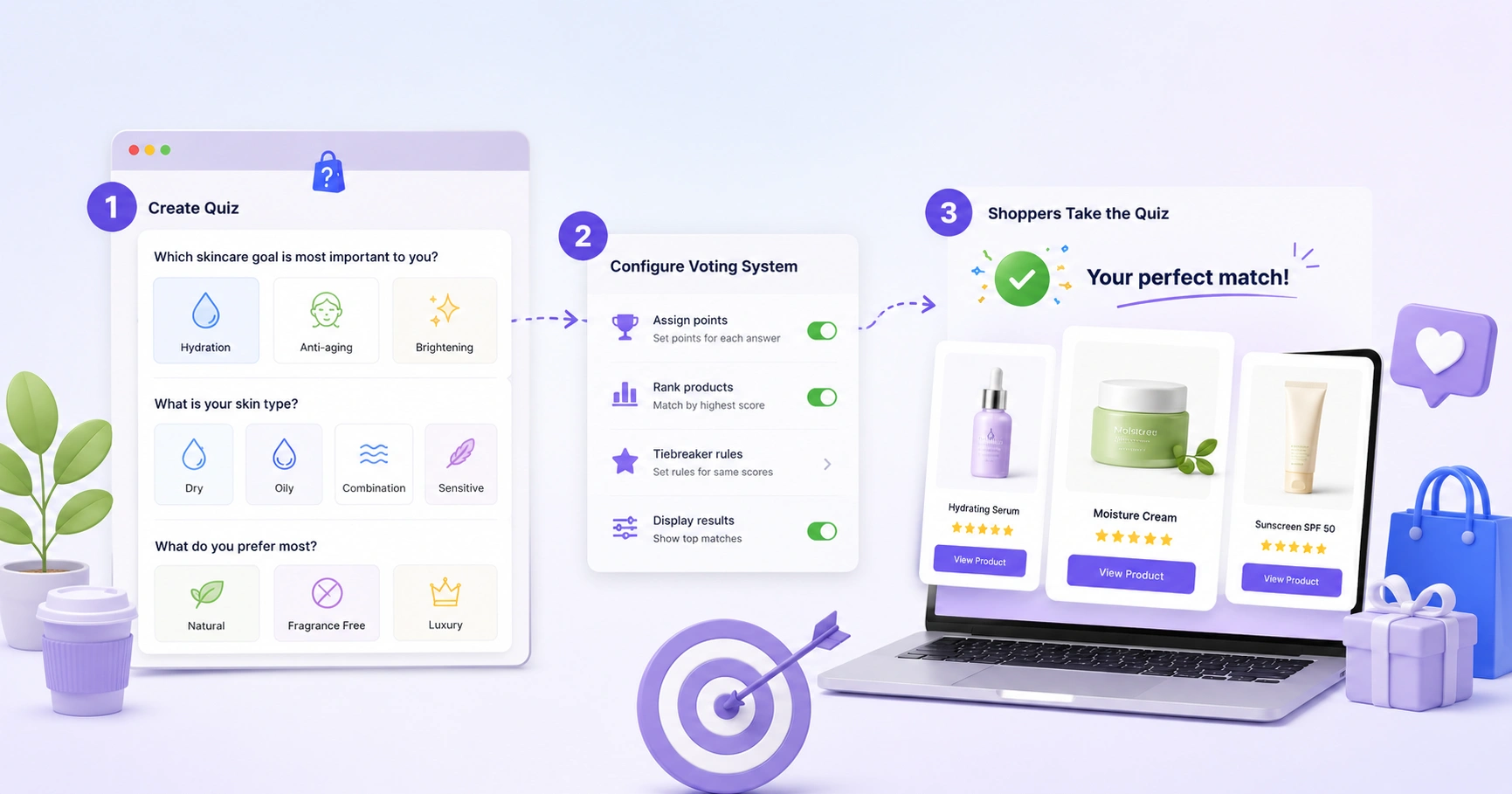
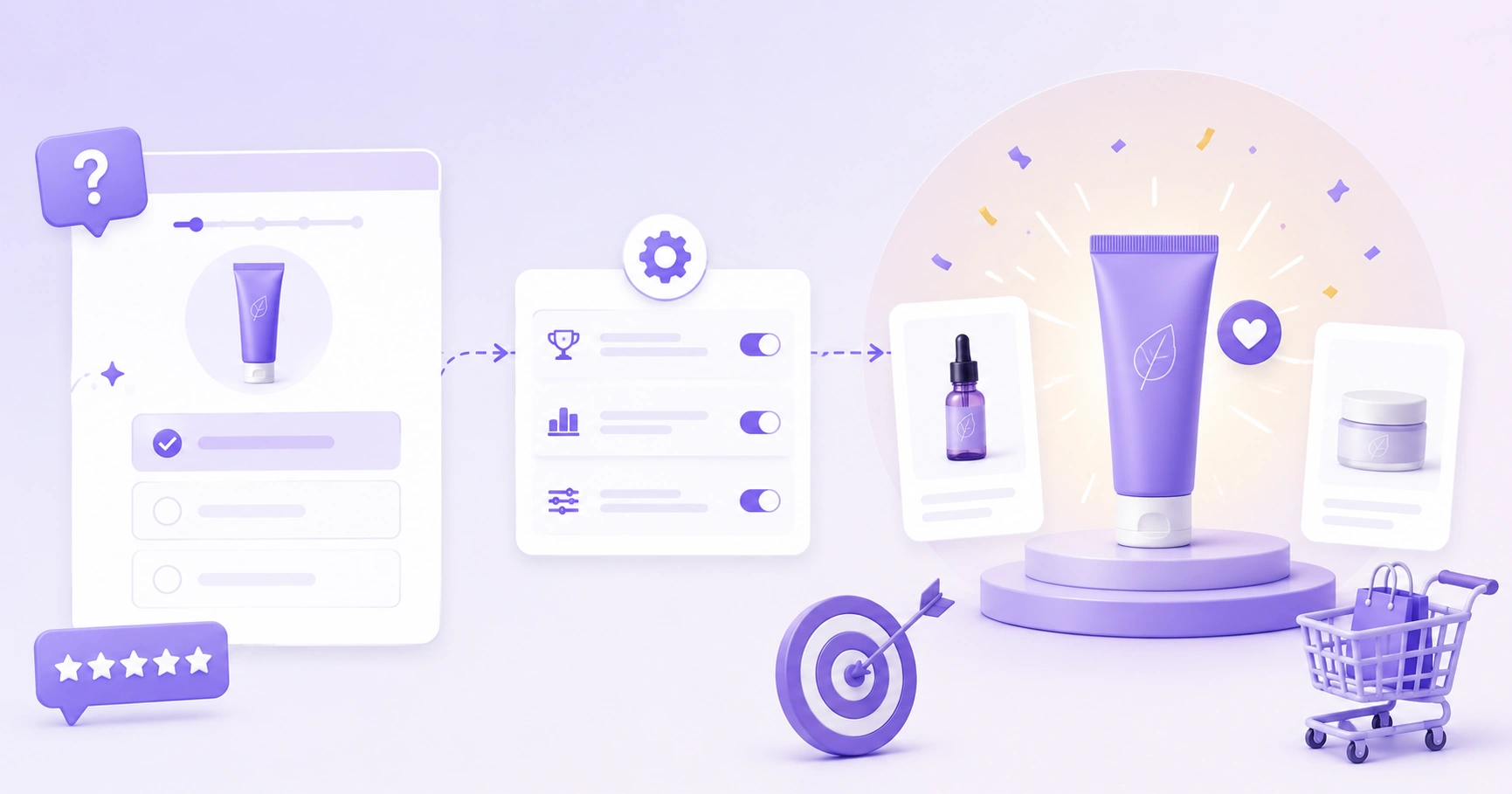
A quiz removes that translation step. It asks the shopper about their situation in plain language and hands back a short, ranked list. That’s the whole value: less friction between “I have a need” and “here’s exactly what to buy.”
A quiz is worth it when choosing the right product takes more than a glance — and most catalogs are exactly that.
Where a quiz is clearly worth it
- Large or varied catalogs. The more products you sell, the more a shopper benefits from being guided to a few.
- High-consideration purchases. Skincare, supplements, gear, mattresses, pet food — anywhere “which one is right for me?” is a real question.
- Products that depend on the person. Fit, skin type, goals, experience level. If the right product changes shopper to shopper, a quiz shines.
- Stores fighting high bounce or low conversion. If people arrive and leave without buying, a quiz gives them a reason to stay and a path to purchase.
Where a quiz probably isn’t the priority
I’d rather you not waste money, so here’s the flip side. A quiz is less impactful when:
- You sell a single product or a tiny, obvious range — there’s nothing to match.
- Shoppers already know the exact SKU they want (commodity restocks, replacement parts).
- Your bigger problem is upstream — you have almost no traffic, or a checkout that’s broken. Fix those first.
The returns, honestly
Stores that use recommendation quizzes commonly report meaningful lifts, though the exact numbers depend on your catalog and traffic. Treat these as directional, not guarantees:
2–4×
conversion vs. static product pages, for well-fit catalogs
Higher
average order value from confident, ranked picks
Lower
return rates when shoppers buy the right thing first
There’s a second return that’s easy to overlook: data. Every quiz response tells you what shoppers actually want — which concerns come up most, which combinations are common, which products get recommended and bought. That insight is worth something on its own.
The real cost — and why it’s low
The honest cost of a quiz isn’t money; a good tool has a free tier. The cost is an afternoon of clear thinking: mapping your catalog to a few questions and assigning sensible weights. That’s it. There’s no AI infrastructure to run, no developer required, and no risk to your storefront — a modern quiz loads in an isolated frame and reads a cached copy of your catalog.
So — is it worth it?
If choosing the right product in your store takes more than a glance, yes. A quiz is one of the highest-ROI, lowest-risk things you can add to an ecommerce store: cheap to try, fast to launch, and directly aimed at the moment shoppers hesitate. If you sell a single obvious item or your problem is really traffic, spend your energy there first.
My honest advice: don’t overthink it. Build one, launch it on a free plan, and let your own numbers decide. That’s exactly how I’d evaluate any tool for a store — including this one.
Try it on your own catalog
Build a product recommendation quiz free and see how quiz-takers convert against the rest of your traffic. No credit card required.
Start free